
Ocean Freight Surcharges: Demystifying BAF, CAF, and Other Fees That Impact Your Bottom Line

If you import goods, you know the frustration: you receive an ocean freight quote, and alongside the base rate, you see a seemingly endless list of surcharges, each represented by a confusing three-letter acronym. These additional fees can significantly impact your total landed cost and often feel unpredictable.
At All Ports International, we believe in providing clear, transparent pricing. We understand that cost uncertainty is a major client pain point, which is why we’re demystifying some of the most common ocean freight surcharges to help you budget smarter and avoid hidden costs.
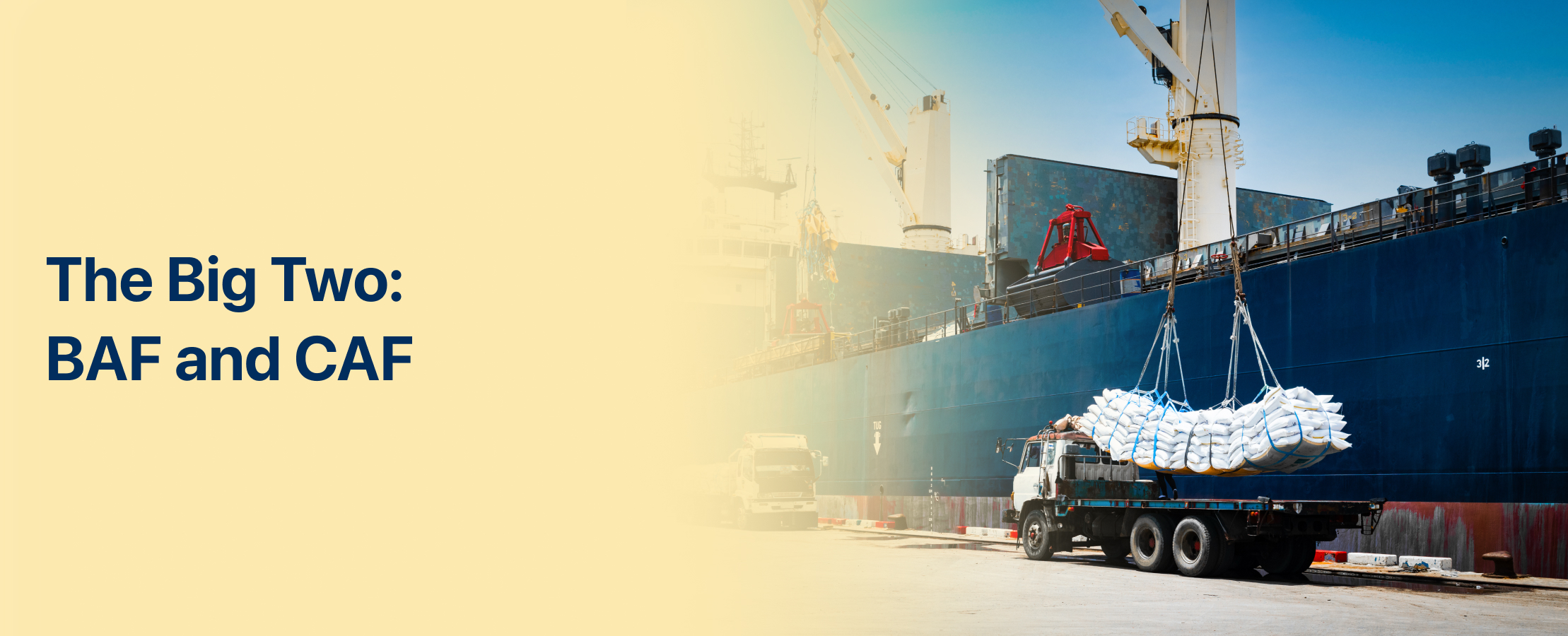
These are the two most frequently seen and misunderstood surcharges, both used by shipping carriers to protect themselves against fluctuating operational costs.
BAF (Bunker Adjustment Factor)
- What it is: BAF is a variable surcharge applied to compensate for global oil price fluctuations. The term "bunker" refers to the fuel used to operate the ships.
- Why it's Charged: Fuel prices are one of the largest and most volatile components of shipping costs. BAF acts as a safeguard for carriers against sudden increases in the price of bunker fuel.
- How it Works: BAF surcharges are generally calculated and issued each month or every quarter, rising when fuel prices soar and decreasing when they drop.
CAF (Currency Adjustment Factor)
- What it is: CAF is a surcharge applied to mitigate losses or gains due to fluctuations in global currency exchange rates.
- Why it's Charged: Freight rates are often quoted in U.S. dollars, but carriers incur operating costs (like port fees and labor) in various local currencies. If the billing currency (e.g., USD) weakens relative to the cost currencies, the carrier loses revenue.
How it Works: CAF is typically quoted as a percentage of the base ocean freight rate and is adjusted periodically to reflect market changes.
These are the two most frequently seen and misunderstood surcharges, both used by shipping carriers to protect themselves against fluctuating operational costs.
BAF (Bunker Adjustment Factor)
- What it is: BAF is a variable surcharge applied to compensate for global oil price fluctuations. The term "bunker" refers to the fuel used to operate the ships.
- Why it's Charged: Fuel prices are one of the largest and most volatile components of shipping costs. BAF acts as a safeguard for carriers against sudden increases in the price of bunker fuel.
- How it Works: BAF surcharges are generally calculated and issued each month or every quarter, rising when fuel prices soar and decreasing when they drop.
CAF (Currency Adjustment Factor)
- What it is: CAF is a surcharge applied to mitigate losses or gains due to fluctuations in global currency exchange rates.
- Why it's Charged: Freight rates are often quoted in U.S. dollars, but carriers incur operating costs (like port fees and labor) in various local currencies. If the billing currency (e.g., USD) weakens relative to the cost currencies, the carrier loses revenue.
How it Works: CAF is typically quoted as a percentage of the base ocean freight rate and is adjusted periodically to reflect market changes.
These are the two most frequently seen and misunderstood surcharges, both used by shipping carriers to protect themselves against fluctuating operational costs.
BAF (Bunker Adjustment Factor)
- What it is: BAF is a variable surcharge applied to compensate for global oil price fluctuations. The term "bunker" refers to the fuel used to operate the ships.
- Why it's Charged: Fuel prices are one of the largest and most volatile components of shipping costs. BAF acts as a safeguard for carriers against sudden increases in the price of bunker fuel.
- How it Works: BAF surcharges are generally calculated and issued each month or every quarter, rising when fuel prices soar and decreasing when they drop.
CAF (Currency Adjustment Factor)
- What it is: CAF is a surcharge applied to mitigate losses or gains due to fluctuations in global currency exchange rates.
- Why it's Charged: Freight rates are often quoted in U.S. dollars, but carriers incur operating costs (like port fees and labor) in various local currencies. If the billing currency (e.g., USD) weakens relative to the cost currencies, the carrier loses revenue.
How it Works: CAF is typically quoted as a percentage of the base ocean freight rate and is adjusted periodically to reflect market changes.
- Category: Uncategorised