
New Year, New Rules: Key Customs & Compliance Checks to Implement in Q1

January is more than just a fresh calendar month; it's the ideal time to ensure your customs and trade compliance is bulletproof for the year ahead. In the complex world of international logistics, minor errors left unchecked in Quarter 1 can compound into major financial penalties, customs delays, or even the seizure of goods later in the year.
As licensed professionals who are constantly monitoring regulatory changes, the All Ports International Customs Brokerage team provides the expert review needed to keep your business operating efficiently and 100% compliant.
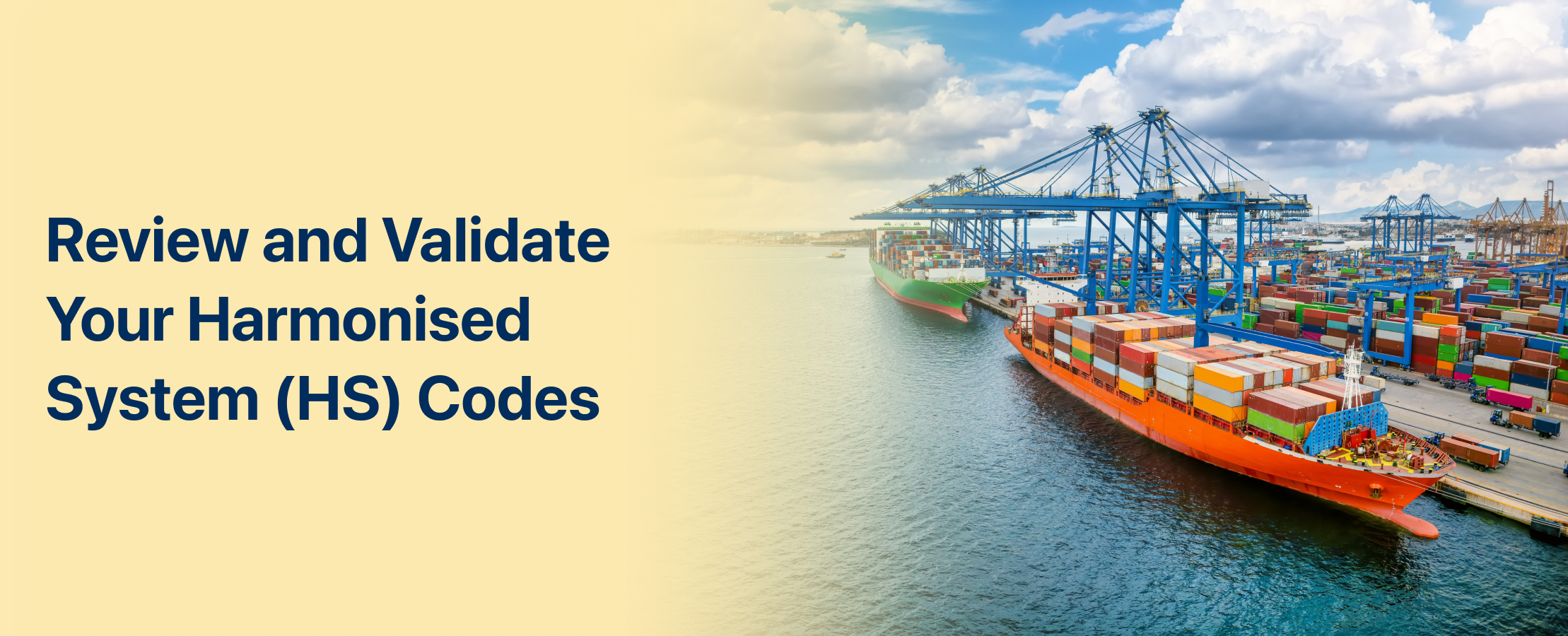
The Harmonised System (HS) code is the universal language of trade—the numerical classification that tells customs authorities exactly what your product is. It is arguably the most critical piece of data on your import declarations.
- Why a Q1 Check is Critical: HS codes are periodically updated by the World Customs Organisation (WCO). New products you started importing last year, or subtle changes in product composition (e.g., swapping a plastic part for metal), can change a product’s classification.
- The Risk of Misclassification: Using an incorrect HS code can lead to overpaying or underpaying duties and taxes, both of which are problematic. Misclassification can also flag your shipment for manual review, causing delays, storage fees, or even an audit of your company's records.
- The Broker's Role: We provide the expertise to correctly classify your goods, ensuring the accurate calculation of duties and, where applicable, confirming eligibility for any preferential tariffs under Free Trade Agreements.
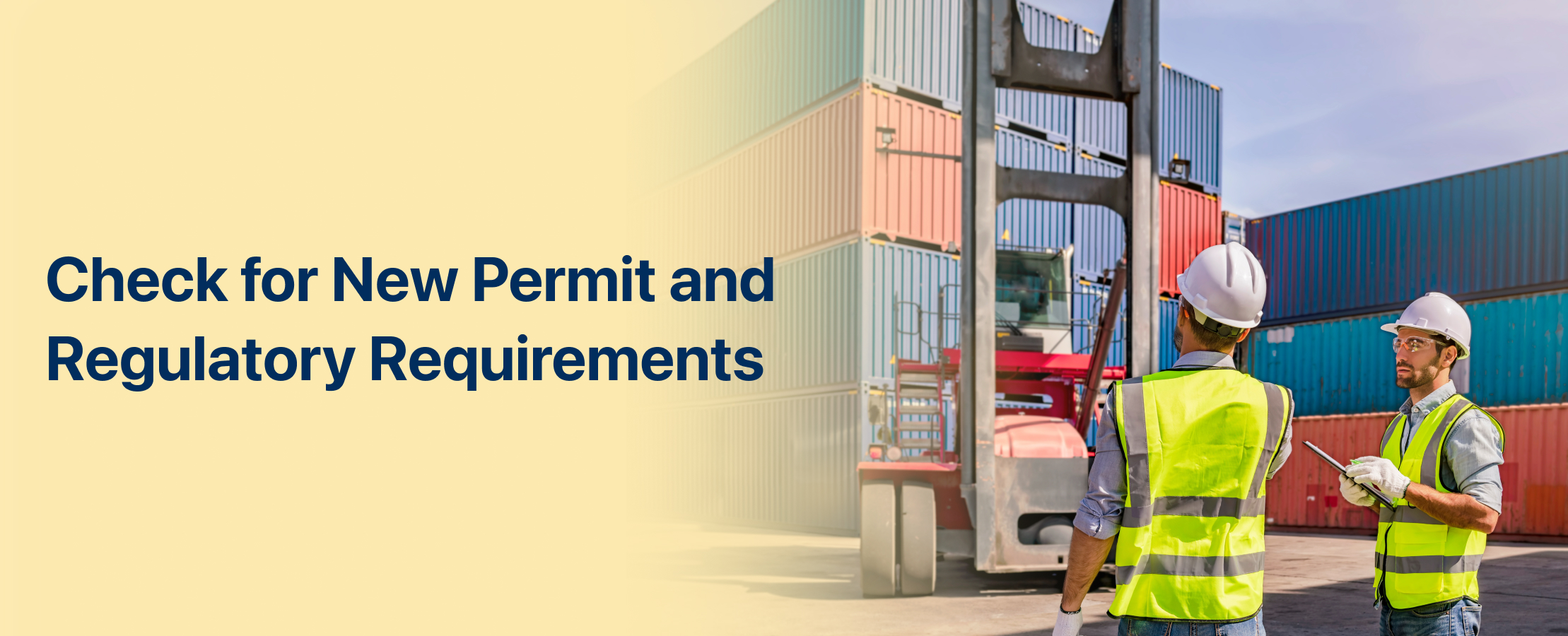
The government's focus on safety, security, and biosecurity means import regulations are constantly evolving. What was compliant last year may not be this year.
- Biosecurity Updates: Goods that pose a biosecurity risk (e.g., certain plant or animal products) may have new or updated import conditions that require pre-approval.
- Industrial Chemicals: If you import products containing industrial chemicals (like soaps, paints, or cosmetics) for commercial purposes, annual registration with schemes like the Australian Industrial Chemicals Introduction Scheme (AICIS) is required.
- Prohibited and Restricted Goods: New bans or restrictions can be introduced at any time (for example, the focus on certain types of engineered stone in late 2024).
Your customs broker stays updated on these complex requirements, ensuring your goods meet all necessary conditions for clearance.
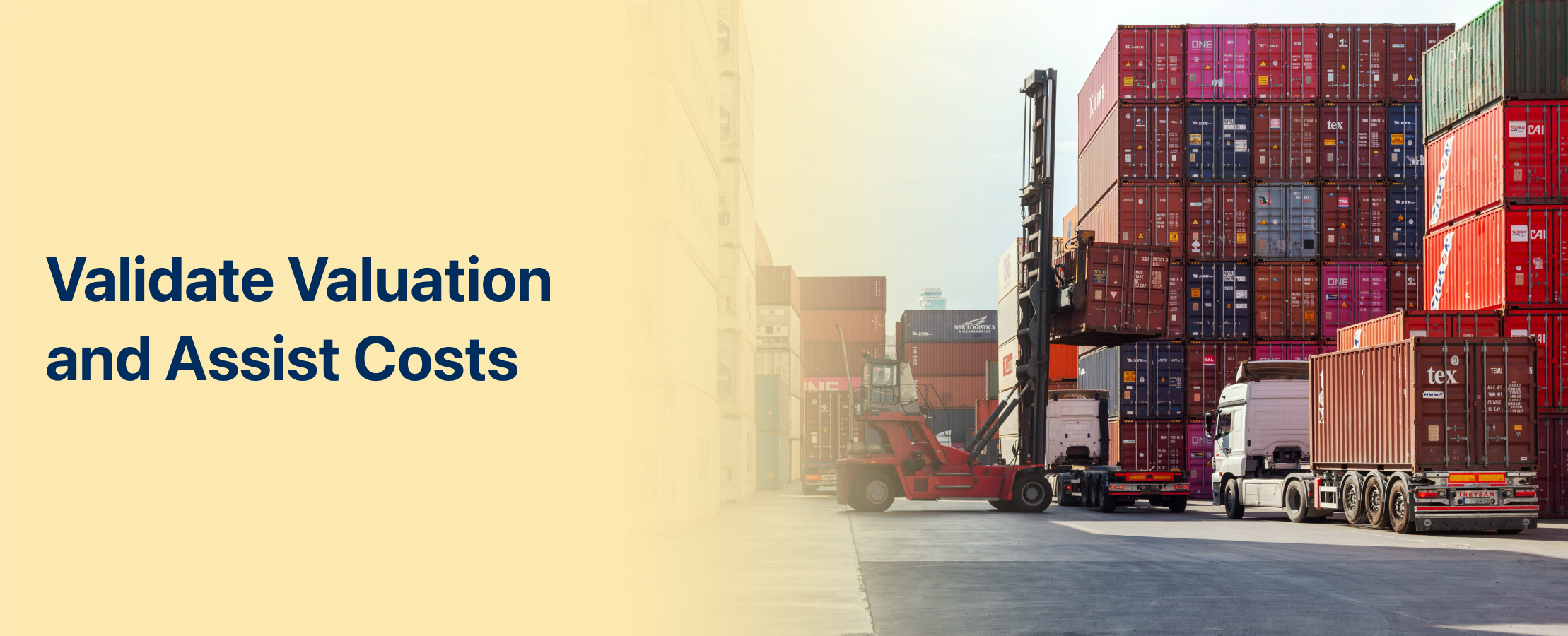
Customs authorities maintain a keen focus on the undervaluation of imported goods, as this directly impacts government revenue.
- Customs Value: Ensure that your declared customs value for goods accurately includes all costs incurred before the goods leave the 'place of export,' such as foreign inland freight, packing costs, and—most importantly—production assist costs (e.g., machinery or materials supplied to the manufacturer).
- The Penalty: Failure to include all required costs in the customs value can lead to penalties and back-dated duty bills.
Customs clearance compliance is not just about avoiding legal and financial penalties—it’s about ensuring the smooth flow of goods that protect your supply chain from costly delays. Few business owners have the time or specialised skill set to maintain this level of detailed, up-to-date knowledge.
By leveraging the skills and expertise of our Customs Brokerage team, you gain a partner who acts as the essential linchpin. We take the lead in ensuring your documentation is accurate, your permits are current, and your classifications are correct, enabling you to navigate the global marketplace with confidence.
Start the year compliant. Contact All Ports International today.
- Category: Uncategorised