
The 2026 Freight Forecast: What Importers Need to Budget For This Year

As the holiday rush fades, January is the perfect time to shift your focus to planning for a successful and predictable year. In the world of international logistics, the best defense against unexpected costs is a well-informed budget.
The 2026 freight forecast suggests that while some chaos may subside, new factors—from evolving environmental regulations to continued market volatility—will impact your total landed costs. At All Ports International, we position ourselves as your strategic partner, providing the intelligence you need to build a more accurate and predictable logistics budget for the year ahead.
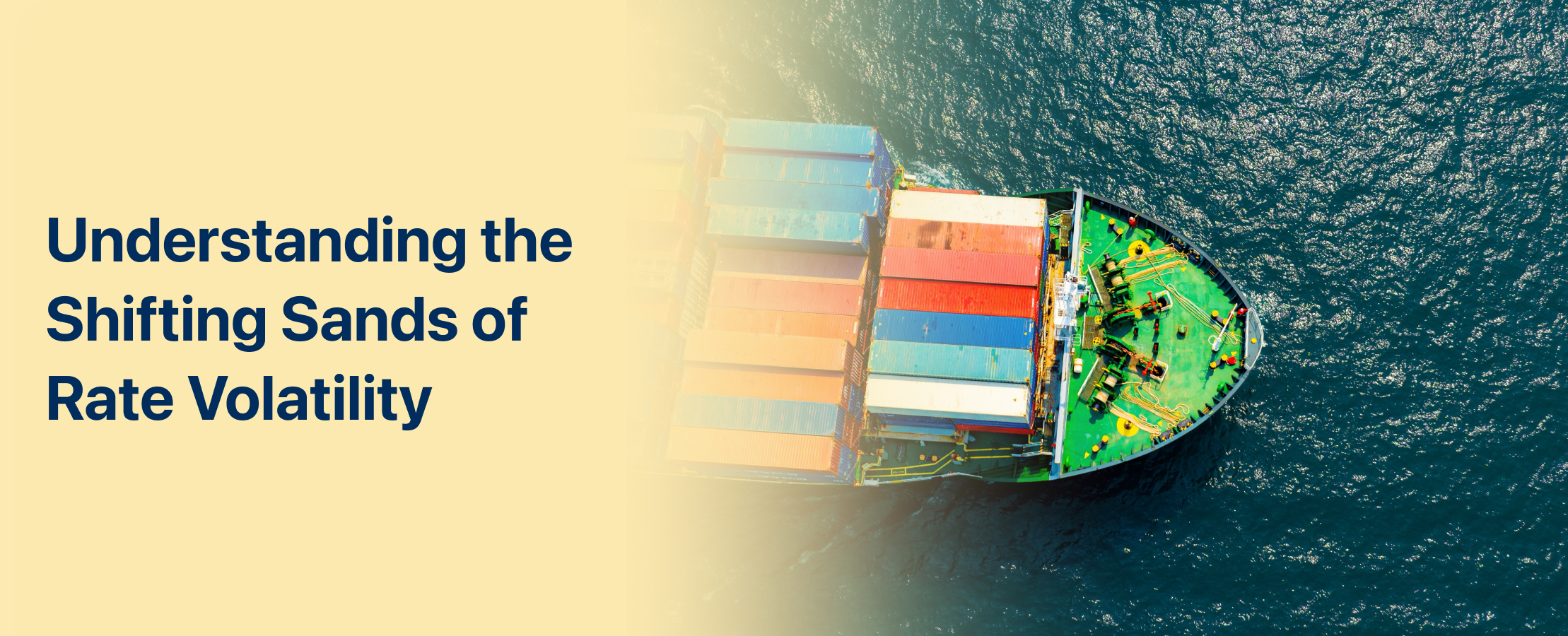
After a few years of extreme peaks and troughs, freight rates are still subject to significant volatility, making budgeting a challenge.
- The Global Demand/Capacity Balance: While new vessels are entering the market, global trade demand remains the primary driver. Any unexpected surge in consumer spending or manufacturing output can quickly tighten capacity, leading to rapid rate hikes.
- Geopolitical Impact: Disruptions to major global waterways, or regional trade disputes, can instantly reroute vessels, increase transit times, and necessitate emergency surcharges, impacting your costs.
- The Seasonal Effect: Standard seasonal spikes, such as the pre-Lunar New Year rush and the Peak Season Surcharge (PSS) period later in the year, must be built into your budget from the start to avoid being caught off guard.
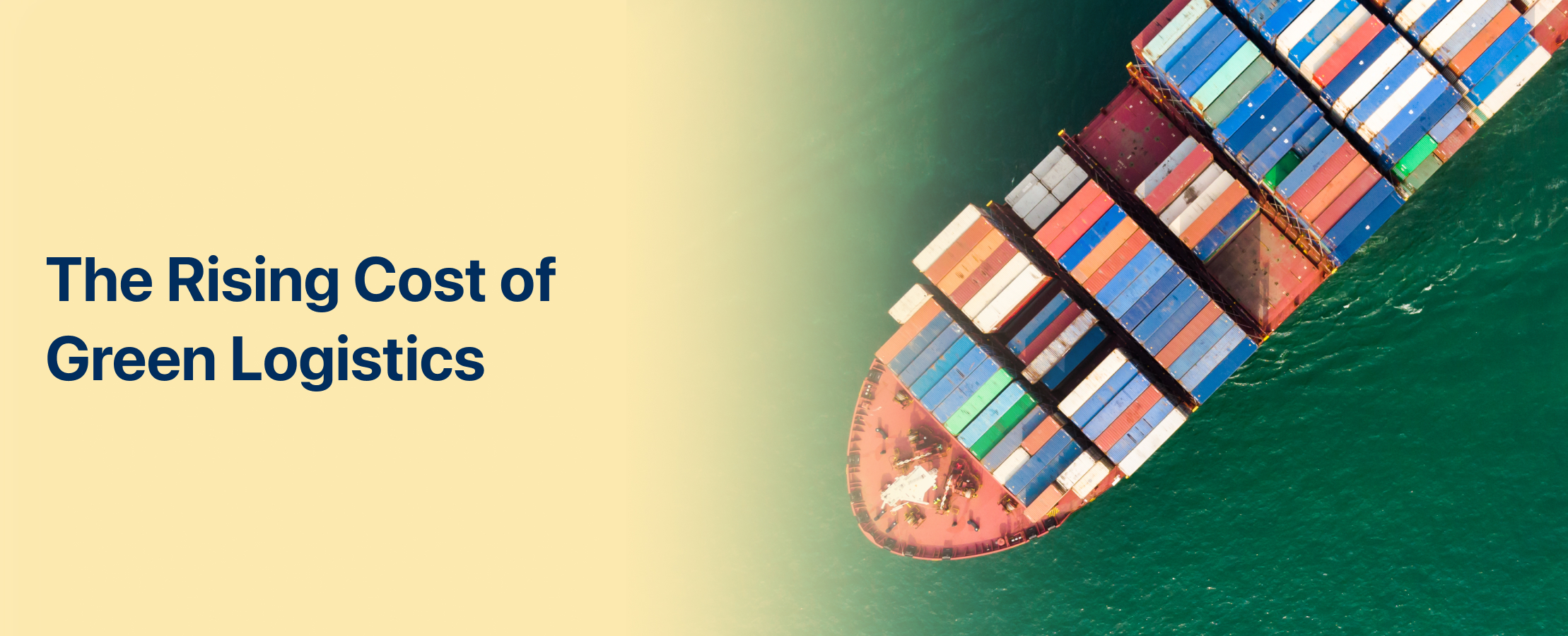
A major structural change impacting 2026 budgets is the increasing focus on environmental regulations within the shipping industry. As carriers transition to cleaner fuels and face new mandates, these costs are passed directly to the shipper through specialised surcharges.
- Low Sulphur Surcharge (LSS): Regulations require ships to use cleaner, low-sulphur fuel, which is more expensive than traditional bunker fuel. This cost is reflected in fees like the LSS.
- The Future of 'Green Fuel' Fees: As the industry explores alternative, even greener fuels, expect new surcharges to appear. These fees are not temporary; they represent a fundamental, ongoing shift in operational expenses that must be incorporated into your base budget.
- Emissions Compliance: Stricter international standards regarding vessel efficiency and emissions will translate into compliance costs that affect your total freight bill.
Predictability starts with partnership. Moving beyond simply accepting the fees, here is how we help you build a robust and more predictable budget:
- Integrate All Surcharges Upfront: Never budget just on the base ocean rate. We ensure you integrate all variable surcharges—including the predictable ones like the Currency Adjustment Factor (CAF) and Bunker Adjustment Factor (BAF)—into your total estimated landed cost.
- Factor in Market Intelligence: Rely on our expertise. We proactively communicate expected rate increases and seasonal spikes, allowing you to secure necessary capacity and avoid paying premium last-minute rates.
- Audit Your Documentation: Accurate budgeting requires accurate customs compliance. We ensure your new products are correctly classified with the right Harmonised System (HS) codes to prevent unexpected duties, tariffs, and customs delays that add financial penalties to your shipment.

The complexity of the 2026 freight market means you need a partner who provides more than just transport—you need intelligence. At All Ports International, we apply our industry knowledge and commitment to customer service to provide the clarity and stability your business deserves. We handle the complexity of the global market so you can focus on your long-term strategy, confident that your logistics budget is built on solid ground. Reach out today!
- Category: Uncategorised